There Is No Quick, Easy Fix for Fat Loss — Here’s Why (and What to Do Instead)
If you’ve ever Googled “how to lose fat fast,” you already know what pops up:
Detox teas
Juice cleanses
Waist trainers
Carb-free challenges
“Do this one trick before bed” videos
And for a moment, they sound tempting.
Fast results. Effortless change. A shortcut.
But here’s the truth:
👉 There is no quick, easy, effortless fix for fat loss — and there never has been.
Not because you’re doing it wrong.
But because your body is not built for quick fixes.
Your body is designed for survival, stability, and protection — not bikini season.
Let’s break down, honestly and compassionately, why “fast” never works… and what actually does.
1️⃣ Your Body Is Built for Survival — Not Diet Culture
Your brain doesn’t understand words like:
“Summer body.”
“Photoshoot ready.”
“I just want to tone up fast.”
What it hears is:
“Food is scarce. Energy is low. We might be in danger.”
So it responds intelligently:
🔻 Slows metabolism to conserve energy
🔺 Increases hunger hormones so you think about food more
🔻 Makes you tired so you move less
🔺 Makes high-calorie foods look irresistible
That’s not “lack of willpower.”
That’s biology doing its job.
Fast diets slam the body into panic mode.
Steady, consistent nutrition allows the body to feel safe — and that’s when real fat loss happens.
2️⃣ Rapid Weight Loss Isn’t the Same as Fat Loss
When someone drops 3–5 kilos in a week, it feels impressive…
…but most of that isn’t fat.
It’s usually:
❌ Water
❌ Glycogen (stored carbs)
❌ Muscle tissue
Losing muscle is one of the worst things that can happen during a diet because:
Your metabolism slows
Your strength drops
You burn fewer calories doing the same activities
Regaining weight becomes easier — and faster
So yes — the scale may move quickly.
But the body becomes softer, weaker, and more prone to rebound weight gain.
True fat loss protects muscle.
Protecting muscle takes time.
3️⃣ Your Metabolism Adapts — And That’s Normal
Crash diets often create this cycle:
Slash calories
Lose weight quickly
Plateau
Cut even more
Burn out
Binge
Regain everything (and sometimes more)
This isn’t failure.
This is metabolic adaptation — your body learning to survive on less.
The harder and faster you push, the harder your body fights back.
Slow, sustainable fat loss avoids triggering this emergency response.
4️⃣ Hormones Need Time to Adjust
Fat loss affects key hormones:
Leptin — fullness
Ghrelin — hunger
Insulin — blood sugar control
Cortisol — stress
Thyroid hormones — metabolism and energy
Crash dieting throws them into chaos:
Cravings skyrocket
Stress increases
Energy drops
Sleep suffers
Mood swings take over
That’s why extreme diets feel like a war against yourself.
Balanced, steady changes let hormones adapt safely — without misery.
5️⃣ Quick Fixes Don’t Teach You Anything
Detoxes, juice cleanses, “fat burner” supplements, and 30-day extremes all have one thing in common:
👉 They don’t teach skills.
They don’t teach:
✔️ How to build balanced meals
✔️ Portion awareness
✔️ Emotional eating awareness
✔️ Meal planning
✔️ Consistency when life gets busy
✔️ How to eat at restaurants
✔️ How to live afterward
So when the plan ends, you go right back to what you did before — and the weight returns.
It’s not you.
The plan never prepared you to succeed long-term.
6️⃣ The Fitness Industry Makes Money Selling Fast Results
“Slow, sensible progress” doesn’t sell.
But:
✨ “Lose 10 kilos in 10 days!”
✨ “Flatten your belly overnight!”
✨ “Detox your body — melt stubborn fat!”
Those sell like crazy.
The industry profits from:
Your desperation
Your frustration
Your belief that you failed — not the diet
If fast fixes worked…
You would have only needed one.
The fact they’re constantly repackaged proves they don’t.
7️⃣ What Actually Works: Boring, Consistent Basics
Not glamorous.
Not dramatic.
Not viral.
Just effective.
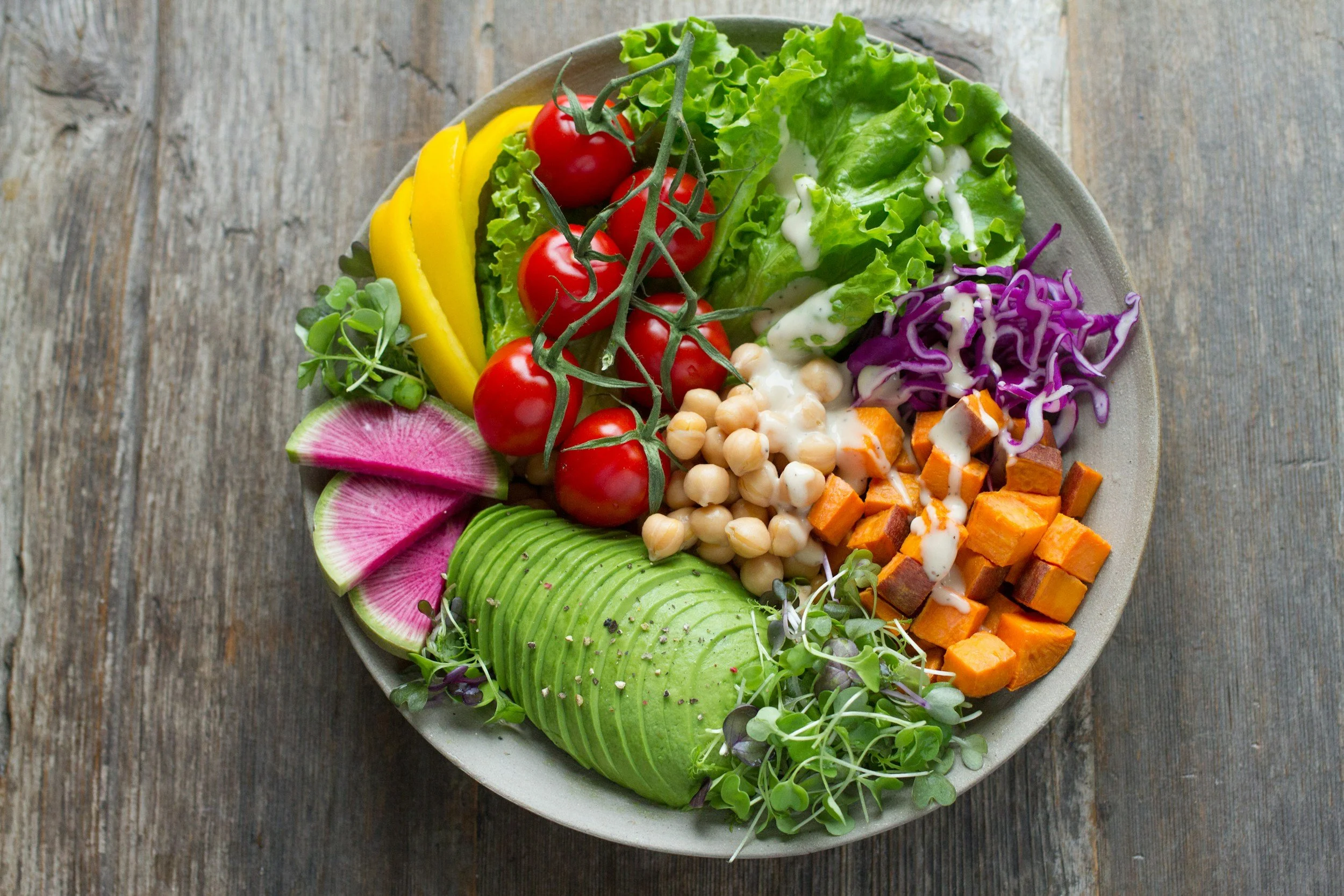
🥗 Eat mostly whole, minimally processed foods
Plants, lean plant proteins, whole grains (if tolerated), fruits, vegetables.
💪 Prioritize protein + fiber
They help you stay full, protect muscle, and control cravings.
🏋️ Lift weights 2–4x weekly
Muscle is your metabolism’s best friend.
🚶 Move daily
Walking matters more than you think.
😴 Sleep 7–8 hours
Poor sleep increases hunger, cravings, and fat storage.
🧠 Manage stress
High cortisol makes staying consistent harder.
❤️ Be consistent — not perfect
Progress comes from habits repeated, not rules obeyed.
This isn’t sexy.
But it works — every time.
8️⃣ So… How Fast Should Fat Loss Be?
A realistic, healthy pace:
➡️ 0.25–0.5 kg per week (0.5–1 lb)
That might feel slow.
But over 6–12 months?
That’s transformative — and maintainable.
Slow is smooth.
Smooth becomes sustainable.
Sustainable becomes your new normal.
9️⃣ The Mindset Shift That Changes Everything
Stop asking:
❌ “How fast can I lose this?”
Start asking:
✅ “How can I live in a way that doesn’t require dieting again?”
Because real success is not losing weight.
Real success is:
✨ Confidence
✨ Energy
✨ Strength
✨ Mental peace
✨ Freedom from diet culture
And that never comes from shortcuts.
Final Thought
You don’t need harsher rules.
You need clarity, consistency, compassion, and time.
If you’ve tried the detoxes, the teas, the extreme diets, and the “miracle” plans — nothing is wrong with you.
You were just sold quick fixes for something that was always meant to be gradual.
And now, you get to do it differently.
